Reviewed by Ghifari Setiawan · Editor, Bali Luxury Car Rental · Updated June 2026. Sources: Indonesia.travel, Wikipedia: Bali, Kemenparekraf.
The Bali luxury car rental market forecast for 2027 points to 25–35% higher demand than 2024, 18–28% higher average daily rates, and faster growth in EV and chauffeur bookings. Expect peak-season prices of USD 280–1,400/day for premium and exotic models in Seminyak, Canggu, Nusa Dua and Uluwatu, with stricter licensing rules and earlier pre-booking windows for Ngurah Rai (DPS) arrivals.
1. Demand Outlook to 2027: Who Is Driving Growth?
By 2027, Kencana Drive projects the Bali luxury and exotic car segment to be 1.3–1.5x larger than 2024 in revenue terms, supported by:
- Inbound arrivals: Indonesia’s Ministry of Tourism is targeting 7–8 million foreign visitors nationwide in 2027, with Bali retaining roughly 35–40%. That implies 2.4–3.0 million international arrivals at Ngurah Rai (DPS) per year.
- Luxury share: The high-spend segment (spending >USD 400/day on accommodation and transport) is projected to reach 14–18% of total visitors. Within this, roughly 6–8% currently use private luxury vehicles; we forecast this rising to 9–11% by 2027.
- Average stay: Upscale travellers to Seminyak, Canggu, Uluwatu and Nusa Dua now average 5–7 nights; 2027 packages are trending toward 7–10 nights, often with multi-area itineraries (e.g., Canggu + Ubud + Uluwatu).
This translates into a forecasted increase of 25–35% in luxury rental days by 2027 vs 2024. The strongest growth is expected in:
- Chauffeur-driven bookings: Up from ~55% of our current portfolio to 65–70% by 2027, driven by traffic complexity in Canggu, Ubud and Kuta and stricter driving licence checks.
- Airport transfers + full-stay hire: More guests are pre-booking Ngurah Rai (DPS) arrival and departure services bundled with 3–10 days of in-island use.
- New geographies: Sanur and Nusa Dua are gaining share as base points for slow-luxury stays and private boat trips, while Labuan Bajo combinations via Bali to Labuan Bajo packages are expanding.
We expect exotic and supercar demand (two-seat or 2+2 sports models) to grow slightly faster than the overall premium market, at 30–40% by 2027, driven by pre-wedding shoots, honeymoons and social media exposure.
2. Price Forecast: What Will Luxury Rentals Cost in 2027?
Based on current inflation, import and tax structures, and fleet financing costs, we forecast Bali luxury car rental daily rates to rise 18–28% between 2024 and 2027. For 2027, realistic price bands for reputable, insured operators such as Kencana Drive will be:
- Premium MPV with driver (e.g., Alphard-type)
Low season (Feb–Mar, Nov, early Dec): USD 160–210/day (10–12h with driver, fuel caps)
High season (Jul–Aug, late Dec–early Jan): USD 210–260/day
For comparison, see our current structured offers like 10-hour Alphard packages. - Executive sedans with driver (e.g., premium Mercedes/BMW tiers)
Projected 2027 rates: USD 220–320/day, depending on model and itinerary. Detailed corporate options are outlined in our 2027 premium sedan guide. - Luxury SUVs (self-drive or with driver)
Mid-range luxury SUV with driver: USD 260–380/day
Exotic SUVs or high-performance models: USD 450–750/day
For self-drive, expect a 10–18% discount vs chauffeur-inclusive, but higher deposit requirements; see indicative self-drive ranges in our SUV daily rate overview. - Sports and exotic cars (2-seater or GT)
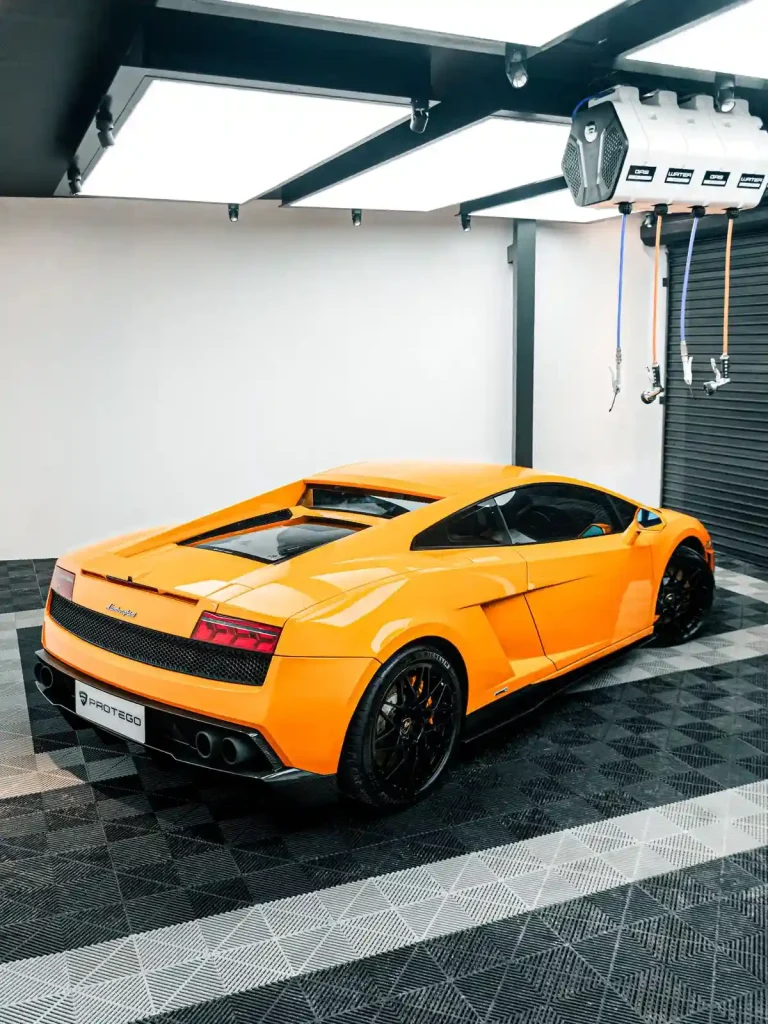
Day hire (8–10h, chauffeur-driven only for most operators): USD 650–1,400/day in 2027, depending on specification, limitations on area coverage, and mileage caps. More detailed guidance on model selection and price drivers is available in our 2027 supercar rental guide.
Several structural factors underpin these increases:
- Import duties and luxury taxes: CBU luxury vehicles entering Indonesia can be subject to combined duties, VAT and Luxury Sales Tax pushing landed costs to 1.8–2.5x ex-factory values. Any national tax changes before 2027 (currently being reviewed) could change costs quickly; we analyse these in our 2027 road tax update.
- Insurance and risk pricing: Comprehensive coverage and spare-part logistics for European and high-performance vehicles in Bali have historically increased 10–15% per year. Under-priced operators often under-insure or exclude key risks; we recommend reading our insurance explainer for 2027 bookings before committing.
- Driver salaries: Professional English-speaking chauffeurs with 5+ years’ premium experience are already earning 20–35% more than mass-market drivers. We expect further upward adjustment as demand for trained hospitality drivers outstrips supply.
Across Seminyak, Canggu, Nusa Dua and Uluwatu, expect peak-season surcharges of 10–25% vs low season, particularly around Christmas/New Year, Chinese New Year, Eid long weekends and major international festivals.
3. Geographic Hotspots: Where Demand Will Concentrate
By 2027, luxury vehicle demand will not be evenly distributed across Bali. Our forecast by key area:
- Seminyak & Canggu
We anticipate these two areas accounting for 40–45% of Bali’s luxury rental days. Seminyak remains the classic villa and dining hub, while Canggu’s growth is driven by premium villas, beach clubs and long-stay digital clientele. Our Seminyak focus and Canggu 2027 guide explain neighbourhood-level patterns. - Uluwatu & Jimbaran
Uluwatu is moving from surf outpost to ultra-luxury clifftop corridor. Expect 18–22% of premium rentals to touch Uluwatu by 2027, with higher SUV and chauffeur ratios due to hilly roads and resort layouts. Jimbaran’s role is primarily as an access corridor from Ngurah Rai (DPS). See our Uluwatu transport outlook for detail. - Nusa Dua & Sanur
Nusa Dua is projected to retain a strong share of MICE and corporate traffic. We forecast 15–20% of our corporate bookings to originate here across 2026–2027, covered in more depth in our business travel solutions. Sanur’s new port infrastructure and quieter roads make it a growing base for families and senior travellers who demand reliable chauffeur-driven sedans and MPVs. - Ubud
Ubud’s share of luxury vehicles will rise modestly, but vehicle types will skew toward SUVs and MPVs due to narrow streets and parking constraints. Self-drive into central Ubud is increasingly impractical in peak hours; chauffeur services are strongly recommended. - Kuta & Airport belt (Ngurah Rai DPS)
Kuta remains budget-focused, but its proximity to Ngurah Rai (DPS) makes it logistically important. By 2027, we anticipate 70–80% of premium clients pre-booking airport transfers through providers that offer full-stay solutions rather than ad-hoc taxis. This is explored in our 2027 cost comparison vs taxis.
Beyond Bali, we expect more integrated itineraries that combine Bali with Komodo and Flores. Our Labuan Bajo luxury stays and cruises preview shows how 2026–2027 will bring more island-hopping options using Bali as a hub.
4. Regulatory and Traffic Factors: What Will Change by 2027?
Any realistic bali luxury car rental market forecast 2027 must address regulation and congestion. Key forces we monitor:
- Driving licence enforcement: Local authorities are gradually tightening checks on foreign drivers. By 2027, we expect systematic enforcement of the requirement for an International Driving Permit (IDP) matched to your home licence class, especially in tourist hotspots. Our 2027 licence rules guide provides details and implication for self-drive vs chauffeur decisions.
- Traffic intensity and rerouting: Roadworks, new one-way systems and periodic closures (especially around Canggu, Ubud and event zones) will make route planning more complex. Our team updates clients on this in real time, and we have outlined expected 2027 traffic pinch points in our traffic update guide.
- Parking restrictions: Coastal and heritage zones are tightening ad-hoc street parking. By 2027, expect more reliance on valet, designated drop-off points and walking transfers. This impacts the feasibility of certain supercars in specific streets; our sport car rental overview describes which body styles work best for each area.
- Road and vehicle taxes: The national government has signalled ongoing adjustments to luxury and environmental taxes; we track how these feed into final rental costs in our 2027 road tax analysis.
Net effect: by 2027, more guests will find chauffeur-driven arrangements both safer and more efficient than self-drive, particularly for complex itineraries covering Seminyak, Canggu, Uluwatu and Ubud in a single trip. Our chauffeur-included overview discusses how we structure routes and driver shifts.
5. EV, Sustainability and Fleet Mix: 2027 Scenarios
Bali’s grid and charging network are gradually improving, and the luxury market is responding. Our forecast for 2027:
- EV share of luxury rentals: From a low base today (<5% of our bookings), we expect EVs to comprise 12–18% of premium rental days by 2027, predominantly in chauffeur-driven form to manage charging logistics.
- Charging infrastructure: By 2027, we foresee material coverage in Seminyak, Canggu, Nusa Dua, Uluwatu and select Ubud properties. Rural areas will remain limited, which will shape route planning. We discuss these constraints in our 2027 EV driving guide.
- Guest profiles choosing EV: Predominantly European, Australian and Singaporean travellers with prior EV experience, plus corporate groups with stated sustainability objectives.
Kencana Drive has committed to a phased increase in premium EVs, as detailed in our 2027 EV fleet roadmap and our electric car rental overview for Bali. We expect EVs to be priced on par with, or 5–10% above, equivalent ICE luxury models in 2027, reflecting higher acquisition and battery management costs but lower per-kilometre operating expenses.
For guests who prefer traditional engines but still want a modern, refined drive, we maintain a strong mix of premium sedans and SUVs; updates on our latest executive models are covered in our new fleet alerts and our 2027 Bali adventure fleet guide.
6. Booking Strategy for 2027: How to Prepare and What to Avoid
Translating the bali luxury car rental market forecast 2027 into practical planning:
- Lead time: For July–August and late December visits, expect top-tier SUVs, MPVs and sports cars to be fully committed 45–90 days in advance, especially in Seminyak, Canggu and Uluwatu. High-spec wedding and honeymoon vehicles should be secured 3–6 months ahead; see our 2027 wedding car overview and honeymoon planning guide.
- Trip type alignment: For corporate groups and incentives in Nusa Dua and Sanur, bundled solutions (multiple vehicles, airport detail, on-call backup) will be more cost-stable than piecemeal bookings; we map these in our corporate 2027 framework.
- Long stays: Monthly or multi-week arrangements will represent a growing share of the market by 2027. Proper long-term contracts can reduce effective daily rates by 18–30% vs ad-hoc bookings; see our 2027 long-term options.
- Avoid common pitfalls: Under-insured vehicles, unclear excess terms, and informal operators are risk factors that grow as vehicle values rise. We summarise recurring issues in our 2027 mistake-avoidance checklist.
- Support expectations: 24/7 response, replacement plans and multi-language support will become non-negotiable for serious travellers by 2027. Our VIP support guide outlines what you should demand from any provider handling high-value itineraries.
We also recommend reviewing our detailed 2027 pricing guide and rate-structure explanation to benchmark offers for your dates and vehicle categories.
For tailored 2027 itineraries with Kencana Drive under the Bali Premium Trip funnel—covering Ngurah Rai (DPS) arrivals, Seminyak, Canggu, Ubud, Uluwatu, Nusa Dua, Sanur and beyond—contact our team on WhatsApp +62 811-2859-0000 or email [email protected] for a precise proposal based on your dates, routes and preferred vehicle class.