August 25, 2026
By 2027, around 70–80% of Bali’s millennial and female HNWI guests are expected to prioritise quiet hybrid SUVs, vegan or low‑scent interiors, advanced safety tech and flexible booking perks over raw horsepower. Expect fleets to shift from two‑door sports cars toward eco‑luxury crossovers, wellness‑oriented cabins and concierge‑style protection services.
By 2027, three body types are likely to dominate Bali millennial and female HNWI luxury car preferences: premium hybrid SUVs, long‑wheelbase executive sedans and discreet luxury vans. Current 2024–2025 booking data from major OTAs already shows SUVs and MPVs outpacing coupes for Bali leisure trips, and this trend usually strengthens over a 2–3 year cycle.
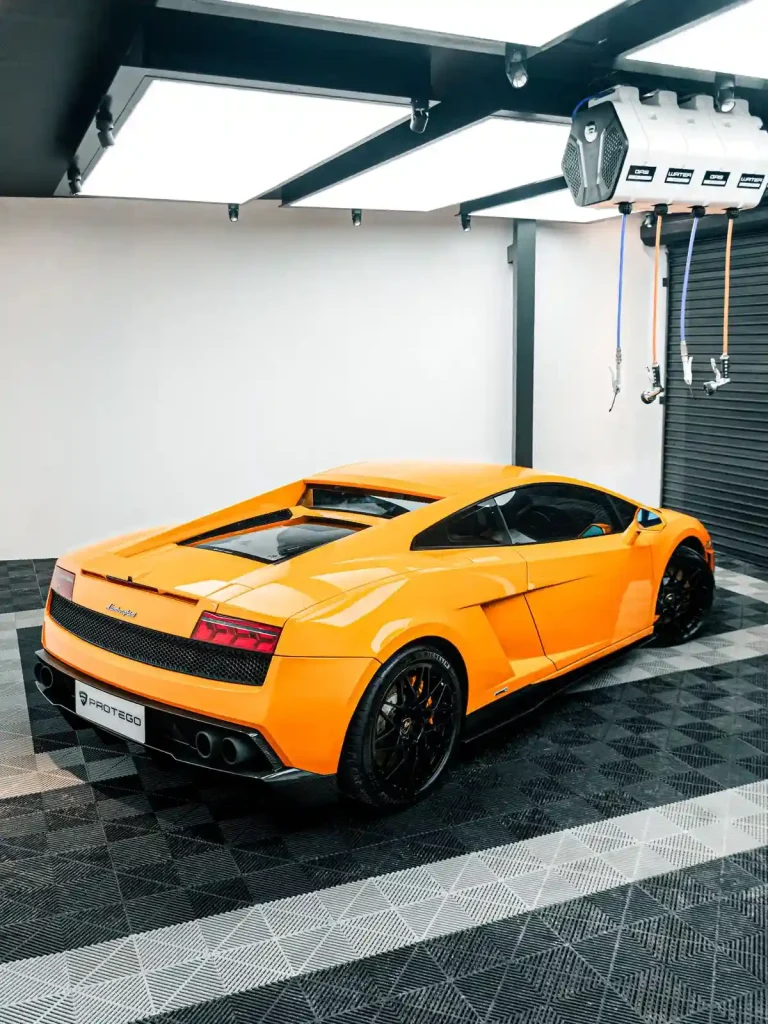
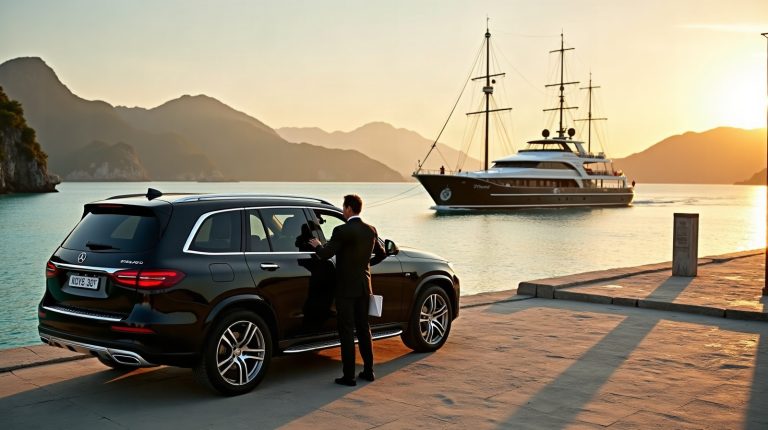
European guests in particular are shifting toward comfort‑oriented crossovers. This will shape bali european traveler luxury car tastes toward vehicles like Mercedes GLS‑class–style SUVs or V‑Class–style vans that can handle Ubud’s slopes and Sanur’s flat beachfront drives in equal comfort. Sports convertibles will remain, but more as “occasion” cars for short photo or proposal sessions.
Pricing will continue to separate economy from luxury. With compact cars averaging only USD 18–22/day as of August 2026, premium SUVs and executive vans at USD 330–650/day self‑drive, or around IDR 2.9 million for 5 hours with a chauffeur, naturally become the curated choice for HNWIs who value quality, low‑stress travel days over raw price per kilometre.
By 2027, “safe, predictable, low‑drama” will outweigh “fast and loud” for many HNWIs, especially women and solo travellers. Expect every serious operator to advertise clear protocols for bali safe transport for solo female travelers, including identity‑verified chauffeurs, real‑time GPS sharing and 24/7 English support, especially around nightlife areas from Canggu to Seminyak.
Cabin configuration will evolve as well. Dual‑zone climate control, privacy glass, soft‑close doors and noise‑insulated cabins already matter for VIP airport transfers in 2026; by 2027 these will be “must‑have” standards rather than upsells. This aligns with demand for bali post surgery comfortable car transfers, where medical tourists need smooth suspension, reclining seats and low step‑in height on the day after procedures.
Insurance will also be scrutinised more. Expect luxury bookings to explicitly mention bali luxury car rental personal accident cover and third‑party liability, with transparent limits and easy claims handling. Millennial and female HNWIs tend to favour operators who handle any dispute using a calm, documented bali small claims approach for tourist issues instead of pushing problems back on the guest.
By 2027, “quiet and green” is forecast to be at least as important as “luxurious” for many millennial HNWIs. Existing demand for hybrids in 2024 already supports the growth of specialised services such as eco friendly luxury car rental bali hybrid fleets 2027, and this momentum is likely to expand into plug‑in and fully electric SUVs where charging allows.
Wellness‑minded guests care about the air they breathe. As a result, bali in car fragrance preferences for guests are shifting from strong perfumes toward hypoallergenic or fragrance‑free options, with HEPA filtration and optional essential‑oil diffusers at low intensity. Expect pre‑arrival questionnaires to include fragrance sensitivity and preferred cabin temperature as standard by 2027.
Flexible usage will also matter. Hybrid and EV fleets pair naturally with longer stays via monthly luxury car rental bali packages, where guests can enjoy low running noise on early‑morning yoga drives to the Ubud area or late‑night returns from fine dining in Nusa Dua. Millennial HNWIs typically appreciate clear carbon‑footprint information and may even filter their vehicle choices partly by emissions data.
Destination patterns already hint at what 2027 will look like. Quiet wellness hubs such as the bali luxury car rental ubud area favour higher‑clearance SUVs and vans that can manage narrow village roads and sudden rain without drama. Executive sedans will remain popular for smooth tarmac runs, but the SUV will be the all‑rounder of choice.
On the coast, bali luxury car rental sanur beachfront bookings tend to prioritise easy access for families and seniors, generous luggage space and smooth low‑speed drivability for boardwalk drop‑offs. For short wildlife or family excursions, demand is rising around bali luxury car rental near bali zoo, where guests want clean interiors, good air‑conditioning and simple access for strollers or wheelchairs.
HNWIs travelling with children are also expected to be more explicit about safety. By 2027, bali using child seat in luxury car will be a default configuration on family itineraries, with ISOFIX‑compatible seats, clear age/weight guidance and advance confirmation photos. Operators that provide a practical bali luxury car rental luggage capacity guide will help guests match strollers, prams and golf bags to the right vehicle class before arrival.
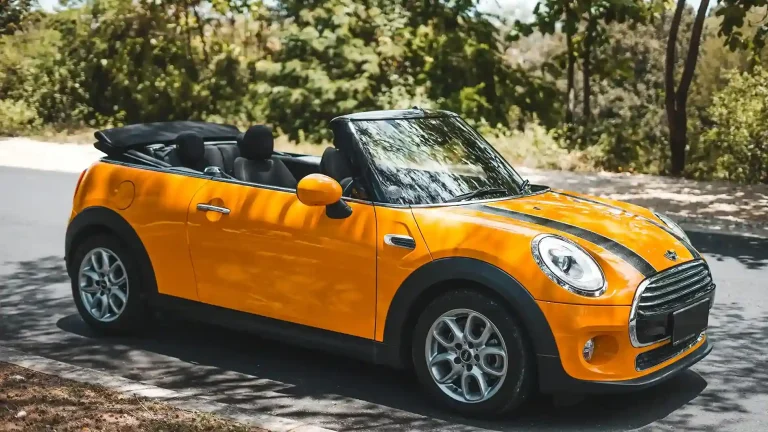
By 2027, millennial and female HNWIs are expected to book more “purpose‑built” vehicles for specific life moments instead of one generic car for everything. For a bali prewedding photoshoot luxury car, demand will lean toward visually clean sedans or convertibles with neutral interiors that photograph well around Tanah Lot, Uluwatu and the Tegalalang rice terraces.
Institutional clients will also influence fleet composition. Discreet, dark‑coloured SUVs and vans with enhanced privacy and documentation will become the norm for bali luxury car rental for embassies, consular visits and business delegations. These guests often ask for multi‑day, multi‑vehicle coordination rather than single transfers.
For leisure, more itineraries are including harbour runs to Serangan, Sanur or Padang Bai, which lifts demand for bali renting luxury car for island hopping with plenty of luggage and surfboard space. Here, female HNWIs typically favour stable, easy‑entry vehicles with strong air‑conditioning over low‑slung sports coupes, especially for 90‑minute highway segments on humid afternoons.
Millennial and female HNWIs value clear, editable bookings more than rigid “use it or lose it” rules. By 2027, flexible perks such as bali luxury car rental free date change within a set window are likely to be almost standard in the high‑end segment, especially in the rainy season from November to March, when flights and ceremonies can shift.
Price clarity matters just as much as policy flexibility. Guests are increasingly requesting a downloadable bali luxury car rental price list pdf that shows indicative daily, weekly and monthly bands, time‑based chauffeur packages and overtime rates, all referenced by date (for example, “as of August 2026”) so they can track seasonal changes.
Usage style will split too. Some guests will want full‑control bali luxury car rental self drive options, especially for private villa stays, while others prefer chauffeured solutions similar to curated bali sports car rental for tourists experiences—short, high‑impact drives supported by a professional driver. In both cases, easy digital contracts and simple security‑deposit rules will be a strong deciding factor.
As of August 2026, luxury self‑drive cars in Bali commonly range from about USD 330–650 per day, depending on brand, year and configuration. Chauffeured premium vehicles for 5 hours start around IDR 2.9 million. By 2027, modest increases are likely, mainly driven by new hybrid models, insurance and regulatory compliance costs.
For HNWIs who value time, safety and comfort, choosing vehicles aligned with millennial and female preferences is usually worthwhile. Expect quieter hybrids, stronger safety features, flexible rescheduling and wellness‑oriented cabins. These reduce travel stress between villas, spas and restaurants and support safer late‑night or solo‑female movements across the island.
By 2027, a typical premium package is expected to include a late‑model luxury SUV or sedan, English‑speaking chauffeur or self‑drive briefing, personal accident cover, air‑conditioned cabins with adjustable fragrance options, child seats on request and transparent fuel and overtime rules. Higher tiers may add concierge support and coordination with villas, embassies or medical providers.
Families and small groups increasingly prioritise practical luggage space and certified child seats over low sports cars. Guests use a luggage capacity guide to choose between executive sedans, SUVs or luxury vans, ensuring room for strollers, golf bags or diving gear. ISOFIX child seats and seat‑belt reminders will be standard expectations for premium bookings.
Sustainability will push many HNWIs toward hybrid and electric luxury vehicles, especially for longer stays and monthly rentals. Guests will ask how eco‑friendly each model is, prefer quieter powertrains for wellness retreats, and combine low‑emission cars with island‑hopping and cultural touring, aligning personal values with their Bali transport choices.
For tailored 2027‑ready luxury car options that match millennial and female HNWI preferences in Bali, contact the Juara Holding Group BD desk via WhatsApp 6281128590000 or email [email protected].
Last updated 1 August 2026
Operated by Bali Premium Trip · the same desk across our Bali network